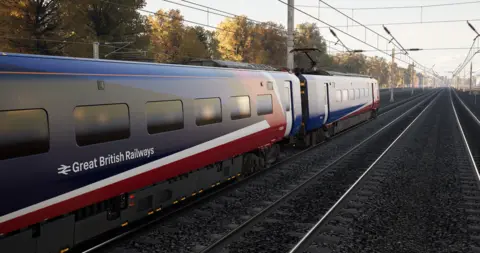

The Transport Department has disclosed the logo and livery for the new national rail body, representing a notable stride in its agenda to take the railways under public control.


An National Palette and Iconic Emblem
The new branding uses a Union Flag-inspired design to mirror the UK flag and will be used on locomotives, at stations, and across its online presence.
Interestingly, the emblem is the well-known twin-arrow logo currently used by National Rail and previously created in the 1960s for British Rail.

A Introduction Strategy
The implementation of the new look, which was created by the department, is set to happen gradually.
Passengers are expected to begin noticing the freshly-liveried trains on the national network from next spring.
During the month of December, the design will be displayed at major railway stations, such as Manchester Piccadilly.
The Journey to Renationalisation
The Railways Bill, which will allow the formation of Great British Railways, is currently making its way through the legislative process.
The government has argued it is bringing back into public ownership the railways so the network is "owned by the passengers, operating for the people, not for corporate interests."
GBR will bring the running of train services and tracks and signals under a unified structure.
The government has claimed it will unify seventeen separate entities and "eliminate the frustrating red tape and accountability gap that continues to plague the railways."
Digital Features and Current Public Control
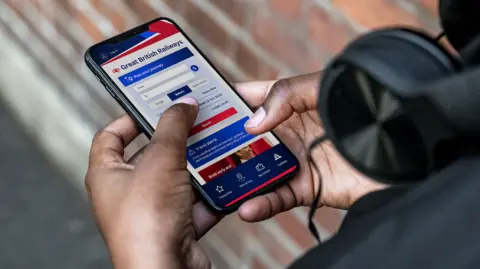
The launch of GBR will also involve a new mobile application, which will allow customers to view schedules and book journeys without additional fees.
Disabled travellers will also be have the option to use the application to request help.
Several operators had earlier been taken into public control under the outgoing government, including Northern.
There are now 7 train operators now in public hands, covering about a one-third of rail travel.
In the past year, Greater Anglia have been nationalised, with additional operators anticipated to follow in 2026.
Ministerial and Industry Response
"The new design is more than a new logo," commented the relevant minister. It symbolises "a transformed service, shedding the issues of the past and focused entirely on delivering a reliable passenger-focused service."
Industry leaders have responded positively to the pledge to improving the passenger experience.
"We will continue to cooperate with industry partners to facilitate a successful transition to the new system," a representative added.